skin

Active Acne / Acne Scar Revision

Active Acne / Acne Scar Revision

Treatment Duration

40-50 Minutes

Session Required

40-50 Minutes

Maintance Frequency

40-50 Minutes

What is Active Acne / Acne Scar Revision?

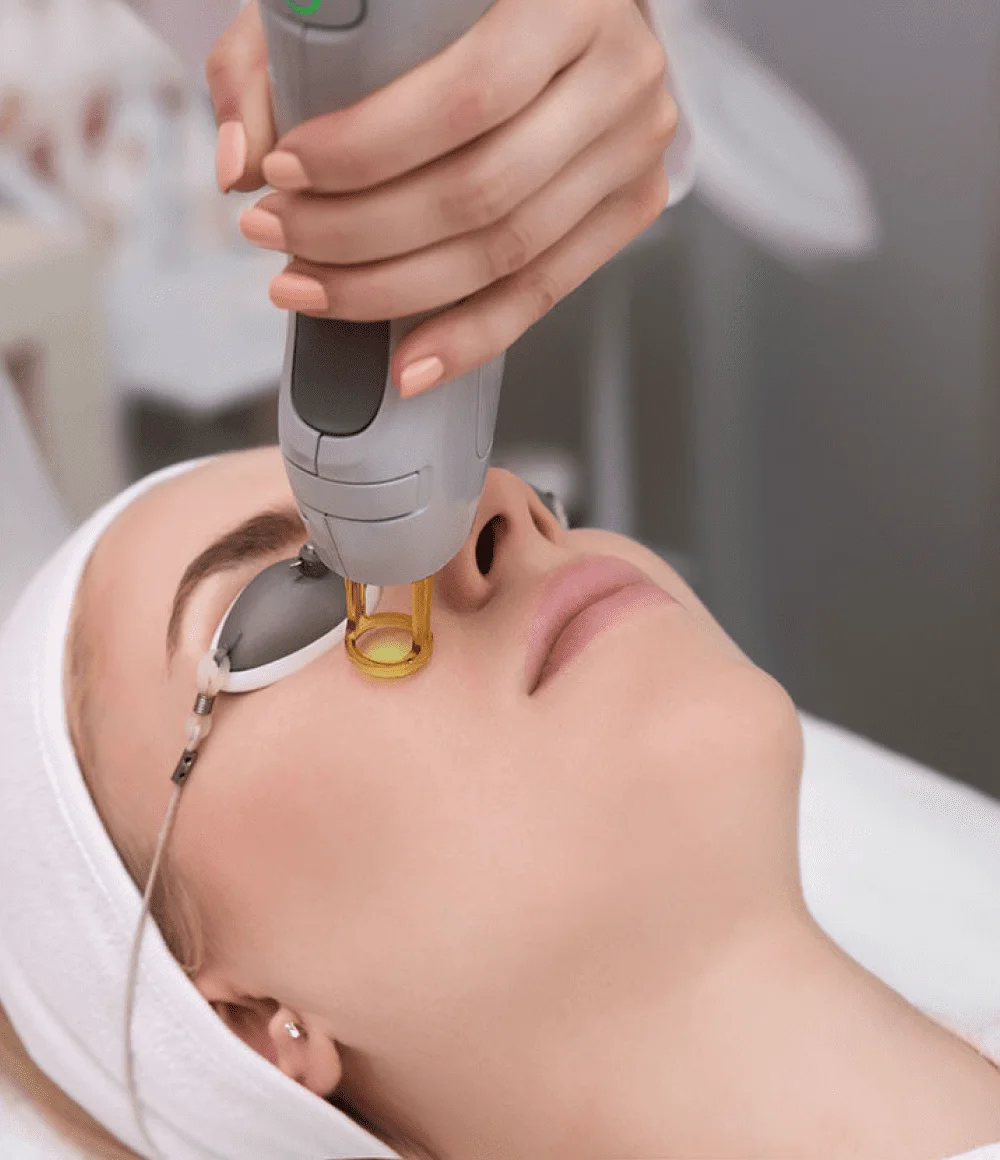
The Fotona laser Active Acne & Acne Scar Revision is a non-invasive & invasive and relatively painless treatment that can be completed in a relatively short amount of time. However, multiple sessions may be necessary to achieve the desired results, depending on the severity of the acne and the individual’s skin type.

How Does It Work?

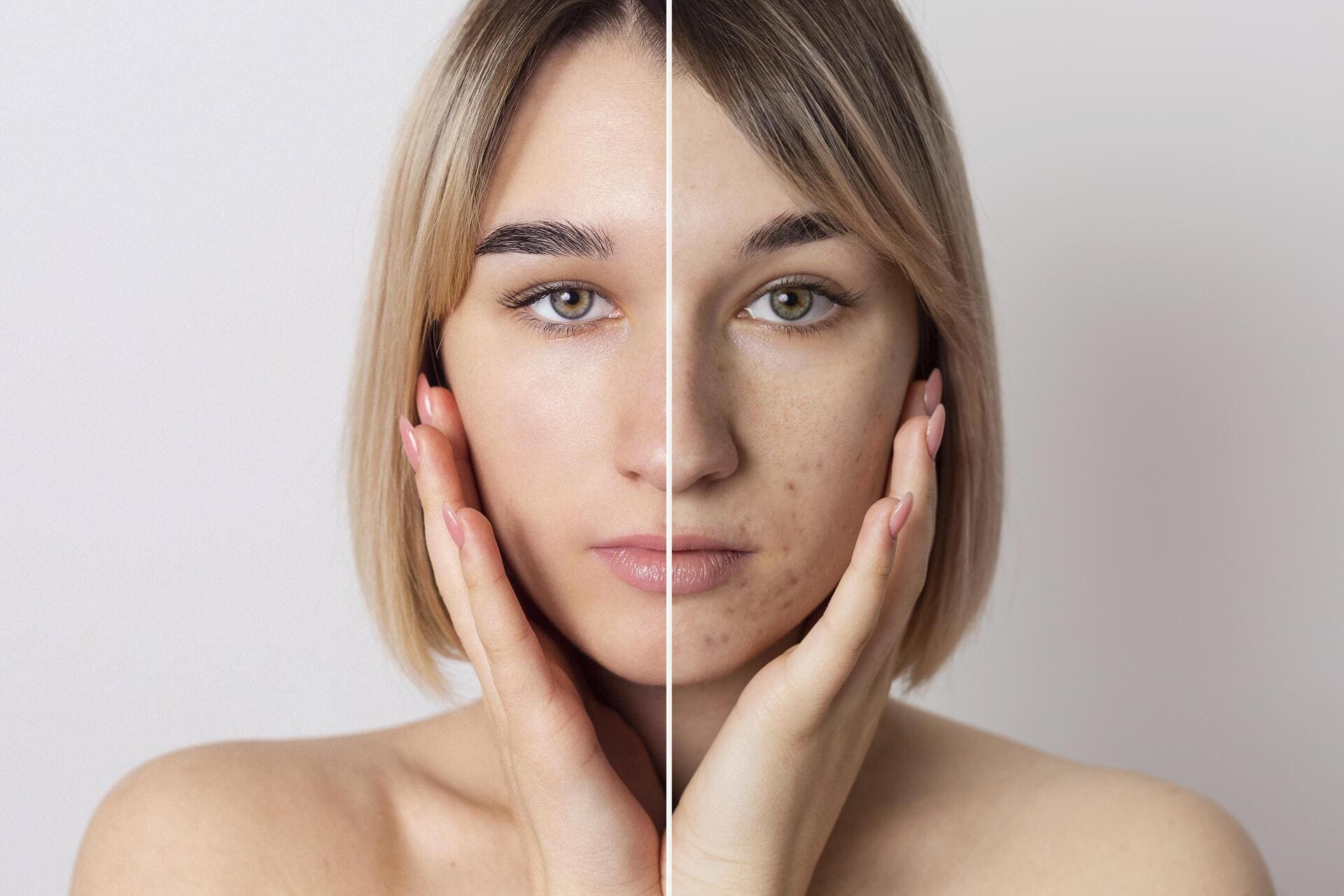
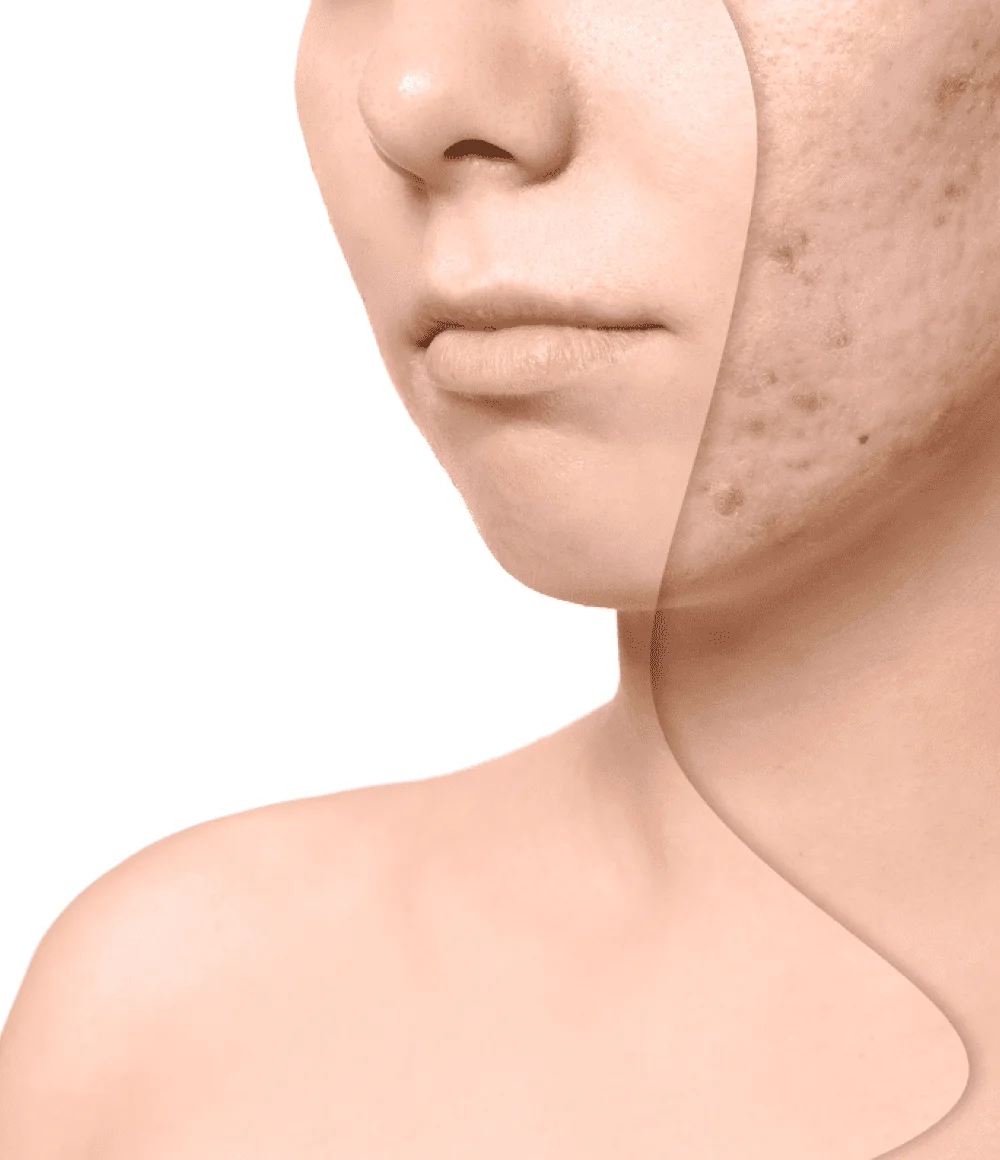
Acne Scar Removal – Fotona laser reduces acne scars by boosting collagen. It’s adjustable for different skin depths, typically causing mild discomfort or redness post-treatment. Fractional laser might be suggested for better outcomes.

What to Expect?

Our specialist employs Fotona Dynamic Pro laser for Active Acne & Acne Scar removal. It targets bacteria pigment to diminish inflammation and improve acne appearance. Additionally, short laser pulses are used for Acne Scar removal, stimulating collagen production to smooth skin surfaces and reduce scar visibility.

I underwent laser hair-removal (underarms) and in just 4 sessions I saw nearly no hair regrowth. I used to shave every day; now I only need a touch-up once in a while. This has changed my life — I’m now enrolling for full body treatment

John Doe

siminlaser

As a male client I was never quite comfortable in many clinics — but at Simin Laser I felt welcomed, respected and well-served. Their service & comfort are top-class. I’ll definitely be returning for more procedures
John Doe

siminlaser

Frequency Asked Question

A key fact that many people overlook is that scar healing isn’t a static or instantaneous process. It’s not something that happens immediately after an injury or surgery, but it’s a progressive and dynamic journey that unfolds over time. The scar’s appearance and texture may shift and transform, continuing to change for a period that typically spans 12 to 18 months following an injury or surgical intervention.

This period of transformation, known as the maturation phase, is where the scar becomes softer, paler, and flatter. In the beginning stages, a scar might appear red, raised, and somewhat hard, but these qualities usually lessen over time. This period of maturation and change isn’t just a passive waiting game, either. There are various strategies and actions that we can take to aid and expedite this process.


Scars are generally benign and simply mark the site where your body has repaired itself following an injury or surgery. However, some individuals may experience complications with their scars that can lead to discomfort or other issues.

One common issue is itchiness, which is often a sign that the scar is still healing. Another concern is pain or tenderness, which can occur if the scar involves nerve endings or if there is increased tension on the skin around the scar.